What Are Cloud Storage Alternatives
Most people use popular tools like Google Drive or Dropbox to store files. They work well, but they are not always the best fit.
Cloud storage alternatives are other tools or systems that let you store, manage, and access files online with more control. These options often focus on privacy, lower cost, or flexible storage plans.
Many users in the US are now switching to cloud storage alternatives to avoid rising costs and gain better control over their data.
Why More People In The US Are Switching
The shift is happening for clear reasons. People want better value and more transparency.
- Monthly subscription costs keep increasing
- Data privacy concerns are growing across the US
- Free plans feel too limited for daily use
- Some platforms collect user data for ads and tracking
Because of this, users are actively searching for cloud storage alternatives that feel safer and more flexible.
Key Features To Look For Before Choosing
Not all services are equal. Here are the features that matter most.
Security And Privacy
Look for end to end encryption. This ensures only you can access your files. Some services also offer zero knowledge privacy, which means even the provider cannot read your data.
Storage And File Limits
Check how much storage you get for free and how pricing scales. Some platforms offer large uploads, while others limit file sizes.
Ease Of Use
A simple dashboard saves time. If a platform feels confusing, it will slow down your workflow.
Pricing And Value
In the US market, users often prefer flexible pricing. Some services offer lifetime deals instead of monthly subscriptions, which can be a better long-term option.
Best Options By Use Case
Different users have different needs. Here is how to choose based on what you want.
Best For Privacy
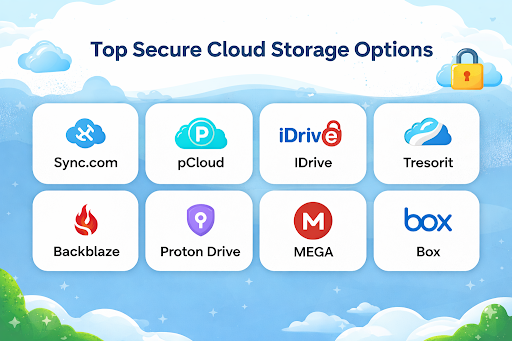
Services like Proton Drive focus heavily on encryption and user privacy. These are ideal if you want maximum data protection.
Best For Everyday Use
Options similar to Google Drive offer ease of use, file sharing, and collaboration. Many alternatives now match these features without heavy tracking.
Best For Budget Users
Some tools provide large free storage or low-cost plans. These are great for students or casual users in the US.
Best For Full Control
Self hosted solutions let you store files on your own server. This gives complete control but requires basic technical setup.
Quick Comparison Table
| Feature | Traditional Platforms | Alternatives |
| Privacy Level | Moderate | High |
| Monthly Cost | Increasing | Flexible |
| Data Control | Limited | Strong |
| Customization | Low | High |
Pros And Cons
Pros
- Stronger privacy and encryption options
- More flexible pricing models
- Greater control over data
- Options for both beginners and advanced users
Cons
- Some platforms require setup
- Learning curve can exist
- Fewer integrations in certain tools
How To Choose The Right Option
Choosing the right service depends on your needs.
If you want simple file sharing, go for easy-to-use platforms. If privacy matters most, choose encrypted services. If you want full control, consider self hosted storage.
The best cloud storage alternatives are the ones that match your daily workflow, budget, and comfort level.
Are Cloud Storage Alternatives Worth It
For many users in the US, they are absolutely worth it. You get better flexibility, improved privacy, and often better pricing.
Cloud storage alternatives are no longer just niche tools. They are becoming the smart choice for people who want more control over their digital life.
Final Thoughts
The way people store data is changing fast. Users are becoming more aware of privacy, pricing, and control.
Cloud storage alternatives offer a smarter way to manage files without being locked into one ecosystem. With the right choice, you can get a setup that is simple, secure, and built around your needs.