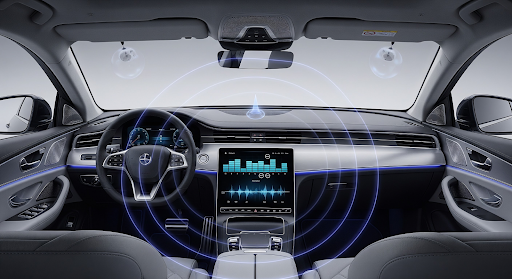
That low hum from the highway, the tire roar on concrete, the engine buzz at 70 mph. It slowly wears you down, and on long American road trips, it is a real buzzkill. The fix is simple in one line. Modern noise-cancelling technology in cars cuts unwanted sound before it reaches your ears, making every drive calmer and less tiring. Below is how it actually works, without the tech headache.
Why Car Noise Is Such A Big Deal In The US
American roads are long, speeds are high, and commutes can stretch forever. All that adds up to constant background noise that most drivers barely notice until it is gone.
Common sources of in-car noise include:
- Tire noise from rough asphalt and concrete highways
- Engine vibrations, especially during acceleration
- Wind noise at freeway speeds
- Low-frequency rumble during long-distance driving
Over time, this noise causes fatigue. It makes conversations harder and music less enjoyable. It can even raise stress levels behind the wheel.
The Core Idea Behind In-Car Noise Cancellation
Noise cancellation works on a simple principle. Sound is a wave. If you play an opposite wave at the same time, they cancel each other out.
Cars use this idea in a smart way:
- Microphones listen to unwanted sounds inside the cabin
- A processor analyzes those sounds in real time
- Speakers play opposite sound waves to neutralize the noise
The driver never hears these waves directly. What you notice is the quiet.
Active Vs Passive Noise Control
Not all noise reduction works the same way. Cars use two main approaches.
Passive Noise Control
This is the old-school method. It relies on physical materials.
- Thick door seals
- Insulated glass
- Sound-deadening foam
Passive control works well for high-frequency sounds like wind. It struggles with deep road rumble.
Active Noise Control
This is where noise-cancelling technology in cars shines.
Active systems target low-frequency sounds like engine drone and tire hum. These are the noises that make long drives exhausting.
Here is a simple comparison:
| Feature | Passive Control | Active Control |
| Best For | Wind And High Sounds | Low Rumble And Vibration |
| Uses Electronics | No | Yes |
| Adjusts In Real Time | No | Yes |
| Common In | All Cars | Newer And Premium Models |
How The System Works While You Drive
Everything happens fast. Really fast.
Microphones are placed in the cabin, often near the headliner. They constantly pick up sound patterns. The system predicts noise before it fully builds. Speakers then release counter-sound waves almost instantly.
This matters on US highways where road surfaces change fast. Concrete, asphalt, and bridge joints all sound different. The system adapts on the fly.
Where You Will Notice It The Most
Noise cancellation makes the biggest difference in these situations:
- Highway cruising at steady speeds
- Electric vehicles where tire noise stands out
- Large sedans and SUVs built for comfort
- Long commutes and cross-state drives
City driving benefits too, but the real wow moment happens on open roads.
Does It Replace Good Car Design
No. And that is important to say.
Active systems work best when paired with smart engineering. Solid tires, good suspension tuning, and proper insulation still matter. Noise-cancelling technology is a layer, not a magic trick.
When done right, it feels natural. No pressure in your ears. No weird sound effects. Just peace.
The Future Of Quieter Driving
As cars get smarter and more electric, cabin silence is becoming the new luxury. Automakers are refining algorithms and adding more precise microphones. The goal is simple. Make the car feel like a calm space, even when traffic is a mess.
Better processors and AI-driven sound prediction are pushing noise-cancelling technology in cars to the next level, especially for American drivers who spend serious time on the road.
Conclusion
Quiet cars are not about showing off fancy tech. They are about comfort, focus, and arriving less stressed. When road noise fades into the background, driving feels easier and more human. As this technology keeps improving, silence is quickly becoming one of the best features on four wheels.