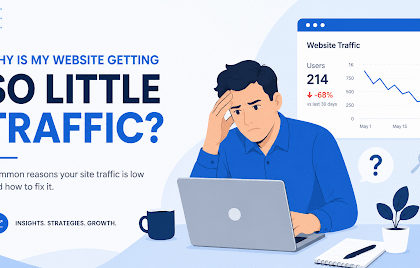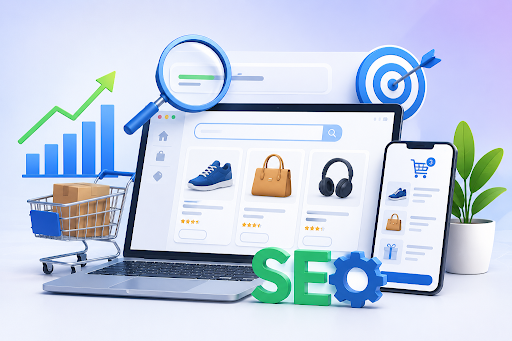
You built a great online store. Your products are solid, your prices are competitive, and your site looks good. But you are barely getting any organic traffic and sales are stuck. The problem is not your products. It is that nobody can find you. This eCommerce SEO guide is exactly what you need to fix that, and the answer is a focused, consistent approach to search optimization that turns your store into a traffic machine.
Search engine optimization for online stores is different from regular website SEO. You are dealing with product pages, category pages, filters, duplicate content, and more. Before diving in, it helps to understand how Google’s algorithm updates affect smaller sites since eCommerce stores are often impacted in big ways by core updates.
Why eCommerce SEO Is Different From Regular SEO
Standard SEO mostly deals with blogs and service pages. eCommerce SEO is a whole different animal. You might have hundreds or thousands of pages to optimize, and the way people search for products is very different from how they search for information.
- Shoppers use high-intent keywords like best running shoes under 100 dollars
- Product pages need to rank for very specific long-tail keyword phrases
- Duplicate content is a constant battle with product variants and filter URLs
- Category pages are often your most powerful ranking assets
- Trust signals like reviews and structured data play a major role in rankings
Keyword Research for Online Stores
Great eCommerce SEO starts with finding the right keywords. You want keywords that show buying intent, not just curiosity.
Types of Keywords to Target
- Informational keywords: what is, how to, best type of. Great for blog content that attracts early-stage shoppers
- Comparison keywords: product A versus product B. Great for dedicated comparison pages
- Commercial keywords: best, top, review, cheapest. Great for category and collection pages
- Transactional keywords: buy, order, discount, free shipping. Perfect for product pages
Use tools like Ahrefs, SEMrush, or Google’s free Keyword Planner to find keywords with solid search volume and manageable competition.
Optimizing Your Product Pages
Product Title and Meta Description
Your product title tag should include the primary keyword naturally. Write it the way a real shopper would search for it. Your meta description needs to be compelling enough to earn the click in a crowded search result.
Good product title format: Primary Keyword + Brand Name + Key Differentiator
Product Descriptions That Rank and Convert
Do not copy manufacturer descriptions. Write your own unique content for every product. Include the primary keyword in the first sentence naturally, highlight benefits over features, answer common buyer questions, list specs buyers care about, and end with a clear call to action. Aim for at least 300 words per product page.
Category Pages Are Your Secret Weapon
Most store owners focus only on products and ignore category pages. That is a massive missed opportunity. Category pages rank for broader, higher-volume terms and drive traffic to your whole store.
- Write a 200 to 300 word intro paragraph at the top with your target keyword
- Use a descriptive H1 that naturally includes the keyword
- Add internal links to subcategories and your best-selling products
- Include a short FAQ section with category-level questions
- Use breadcrumb navigation and add BreadcrumbList schema, as documented on Schema.org
Technical SEO for eCommerce Sites
Technical issues can quietly kill your rankings even when your content is solid. Here are the biggest ones to address.
| Technical Issue | Why It Hurts | Fix |
| Duplicate content from filter pages | Confuses search engines | Use canonical tags or noindex on filter URLs |
| Slow page speed | Hurts rankings and conversions directly | Compress images and use a CDN |
| Broken internal links | Wastes your crawl budget | Audit links monthly with Screaming Frog |
| Missing alt text on product images | Misses image search traffic | Write descriptive alt text for every image |
| No Product schema markup | Missing rich results in search | Add Product schema with price, availability, and reviews |
For US eCommerce stores also concerned about page speed, our guide on how to speed up your website covers the technical fixes that make the biggest difference in Core Web Vitals scores.
Building Backlinks for Your eCommerce Store
Effective Link Building Tactics for Online Stores
- Partner with bloggers and content creators in your niche for product reviews on sites like ShareASale
- Create genuinely useful resources like buying guides or comparison charts others will link to
- Get listed on product roundup articles and best-of lists in your category
- Submit your store to relevant industry and niche directories
- Use HARO (now Connectively) to pitch journalists with unique product angles or original data
Measuring Your eCommerce SEO Performance
Set up Google Analytics 4 and Google Search Console from day one. These are free and give you all the data you need to track performance and find opportunities.
- Organic traffic by page and by product category
- Keyword rankings for your top product and category pages
- Click-through rate from search results to your pages
- Organic conversion rate, how many organic visitors actually complete a purchase
Frequently Asked Questions
Q1: How long does eCommerce SEO take to show results?
A: Most online stores start seeing measurable organic traffic improvements within 3 to 6 months of consistent SEO work. Highly competitive product categories may take 9 to 12 months to reach page one rankings. The key is not stopping when results are slow to appear.
Q2: Should I focus on product pages or category pages first?
A: Start with category pages. They rank for broader terms that drive more traffic and bring shoppers to multiple products at once. Once your category pages are optimized, work through your top-selling product pages next.
Q3: How do I handle duplicate content on my eCommerce site?
A: Use canonical tags on product variant pages and paginated pages to point to the primary URL. Use noindex on filter and sort parameter URLs that create duplicate content without adding ranking value.
Q4: Is blogging important for eCommerce SEO?
A: Yes, very much so. A blog lets you target informational and comparison keywords that attract early-stage shoppers. Buyers who find you through a helpful blog post are often more engaged and convert at higher rates than cold paid traffic.
Q5: What is the most important technical SEO fix for online stores?
A: Getting your site speed under control is usually the highest-impact technical fix for most eCommerce sites. After that, fixing duplicate content issues from filter pages and ensuring proper schema markup are the next biggest wins.
Your Path to Consistent Organic Sales
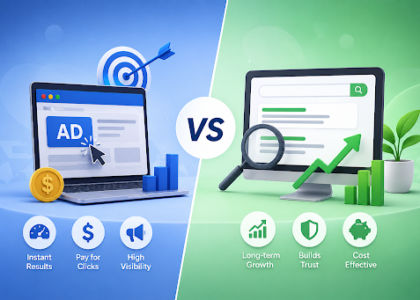
Growing an eCommerce store through organic search is one of the most rewarding things you can do for your business long term. Unlike paid ads that stop the moment you cut the budget, SEO compounds. This eCommerce SEO guide gives you the foundation, but execution is everything. Start with keyword research, optimize your product and category pages, tackle the technical issues, and build links consistently over time. Stay the course, track your progress, and you will build a store that generates organic sales around the clock without spending a dime on ads.