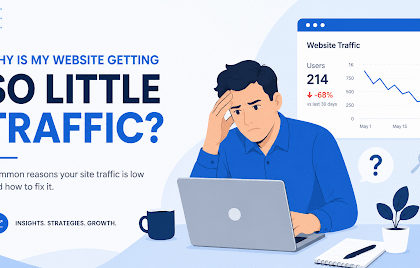
Traffic is not the problem most Shopify stores fear. The real nightmare is what happens when thousands of shoppers hit your site at once. Pages slow down, checkouts fail, and revenue bleeds out by the minute. The fix is not more apps or quick patches. It is Shopify Plus development built specifically for high-traffic websites, with scale planned before pressure hits.
This post explains what actually fails under heavy traffic and how Shopify Plus is designed to handle it when built the right way.
Why High Traffic Breaks Most Shopify Stores
High traffic exposes weak decisions fast. Many stores run smoothly at low volume but fall apart during major sales, product launches, or viral moments.
The most common breaking points include:
- Slow page load times during peak sessions
- Checkout errors or payment delays
- Theme scripts blocking key actions
- Apps overloading the storefront
- Inventory sync failures
These issues are not random. They are the result of stores being built for normal days instead of traffic surges.
What Makes Shopify Plus Different for High-Traffic Websites
Shopify Plus is not just a bigger plan. It is a platform designed to absorb pressure.
Key Plus-level advantages include:
- Higher API limits for faster data handling
- Priority checkout processing
- Advanced automation through Shopify Flow
- Better support for custom architecture
- Infrastructure built for flash sales and national campaigns
In the US market, this matters even more. Events like Black Friday, Cyber Monday, Super Bowl promos, and influencer drops create traffic spikes that standard setups cannot survive.
What Breaks First Without Proper Shopify Plus Development
Checkout Performance
Checkout is usually the first failure point. Even a half-second delay can cause abandoned carts when traffic is high.
Common causes:
- Heavy scripts are loading during checkout
- Third-party payment conflicts
- Customizations that ignore Plus checkout rules
Shopify Plus allows deeper checkout customization, but only if it is done cleanly and sparingly.
Theme Architecture
Many themes look great but are not built for speed.
Problems include:
- Too many JavaScript files
- Unoptimized images
- No lazy loading
- Poor mobile performance
Under traffic stress, these issues stack up fast.
Apps and Integrations
Apps are helpful, but they are also the biggest risk factor.
Under load:
- Apps make excessive API calls
- Scripts slow down page rendering
- Conflicts appear between tools
High-traffic Shopify Plus development focuses on reducing app reliance and replacing them with native or custom solutions.
Inventory and Order Management
When traffic spikes, inventory systems get hammered.
This leads to:
- Overselling products
- Delayed order updates
- Fulfillment errors
For US-based brands shipping nationwide, this can damage trust quickly.
How Shopify Plus Handles High Traffic When Built Right
The platform itself is strong. The difference lies in how it is developed.
Scalable Storefront Setup
A solid Plus build prioritizes:
- Lightweight themes
- Clean code
- Server-friendly scripts
- Optimized assets
This keeps page speed stable even during peak traffic.
Smart Checkout Customization
On Shopify Plus, checkout customization is powerful but controlled.
Best practices include:
- Keeping checkout steps minimal
- Avoiding heavy third-party scripts
- Testing checkout under load
This ensures conversions stay strong when it matters most.
App Control and Custom Logic
High-traffic stores benefit from fewer apps and more custom logic.
A balanced setup:
- Replaces slow apps with Shopify Functions
- Uses Flow for automation
- Limits background API calls
This reduces system strain during busy periods.
Traffic Spike Readiness
High-traffic Shopify Plus development plans for worst-case scenarios.
This includes:
- Load testing before major launches
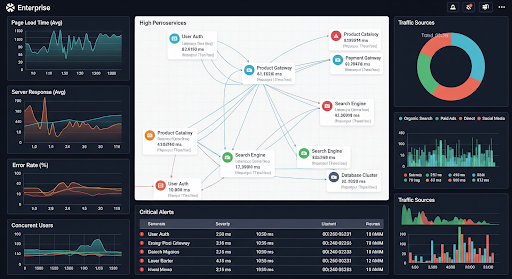
- Monitoring API usage
- Preparing fallback experiences
Many US brands fail here because they assume Shopify will handle everything automatically.
Common High-Traffic Risks and Solutions
| Risk Area | What Goes Wrong | How Shopify Plus Solves It |
| Checkout | Payment delays | Priority checkout handling |
| Themes | Slow pages | Optimized Plus-ready themes |
| Apps | API overload | Custom logic and limits |
| Inventory | Overselling | Real-time inventory controls |
| Traffic spikes | Site crashes | Scalable infrastructure |
SEO Impact of High-Traffic Performance
Performance issues hurt more than sales. They hurt rankings.
Google watches:
- Page speed
- Core Web Vitals
- Mobile usability
If your Shopify Plus store slows down during traffic surges, rankings can drop across the US market. That means less visibility, even after traffic normalizes.
Proper Shopify Plus development protects both revenue and SEO.
Who Needs Shopify Plus Development for High-Traffic Websites
This approach matters most for:
- US-based brands running national campaigns
- Stores with flash sales or limited drops
- Businesses supported by influencers or paid media
- Retailers with complex inventory systems
If traffic spikes are part of your growth plan, development quality is not optional.
Conclusion
High traffic does not break Shopify Plus. Weak planning does. When a store is built for calm days instead of peak pressure, every surge becomes a risk. Shopify Plus development for high-traffic websites works because it focuses on speed, control, and resilience long before traffic shows up. Built for pressure, and traffic turns into profit instead of panic.
For More Info Visit:- techtribemag.com