
Is your business truly transforming for the future, or are you just digitizing old processes? In an era where the stakes are incredibly high, understanding the right secrets can mean the difference between leading your industry and falling irreparably behind. Digital transformation today is a continuous journey of adapting your operations, culture, and customer experience to a world defined by artificial intelligence, real-time data, and sky-high expectations. This comprehensive guide moves beyond buzzwords to deliver 30 actionable secrets used by leading organizations. We will explore how to build a foundation that puts the customer at the heart of every decision, harness the power of data and AI, future-proof your operations, and cultivate the human-centric culture that sustains lasting change. Let’s dive into the integrated secrets that will define the next generation of business leaders.
Key Takeaways
-
Customer & Data Are the New Core: Successful transformation starts with a customer-centric approach and is powered by data-driven decisions, not the other way around.
-
Technology Serves Strategy: AI, cloud, and automation are powerful tools, but their value is unlocked only when aligned with clear business goals.
-
Culture is the Ultimate Enabler: Lasting change depends more on people than on software. Prioritize change management, upskilling, and a culture of agility.
-
Success is Measured and Iterative: Define clear digital KPIs, embrace continuous experimentation, and build feedback loops to ensure your transformation evolves and delivers real value.
Part 1: The Foundational Mindset: Building from the Outside In
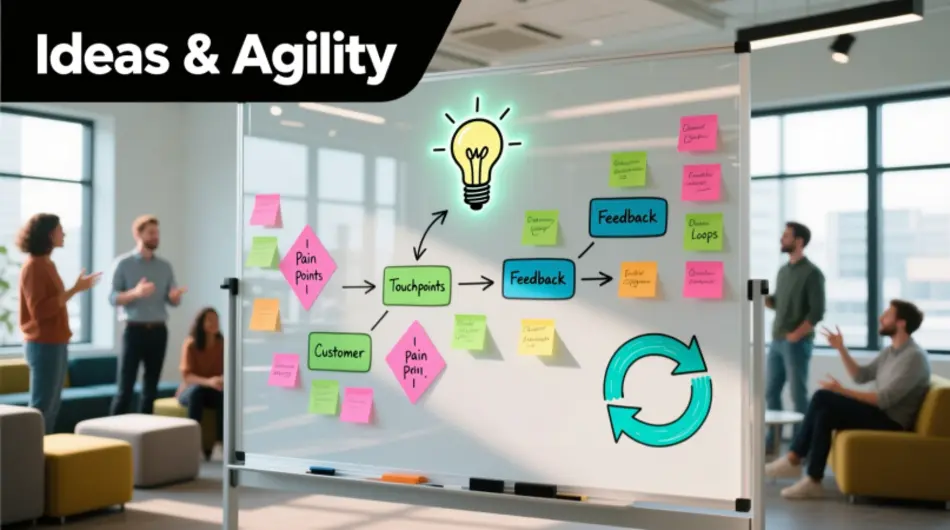
True transformation doesn’t start with technology; it starts with a fundamental shift in how you view your customers, your data, and your capacity for change.
1. Customer-Centric Approach
This is the cornerstone. Every digital project, from a new app to a backend upgrade, must be evaluated through one lens: customer value. Instead of asking “What tech can we use?” ask “What customer problem are we solving?” This requires deep understanding of your customers’ journeys and making their experience the primary KPI for success.
2. Data-Driven Decision Making
This secret moves you from operating on gut feeling to using evidence as your guide. It involves collecting relevant data, analyzing it for patterns, and using those insights to inform strategy. It turns data from a byproduct into your most valuable strategic asset, enabling predictive power and reducing risk.
3. Agile Mindset
Agile is more than a project management method; it’s a cultural mindset. It embraces flexibility, iterative progress, and rapid response to change. Work in short cycles, constantly testing, learning, and adapting. This allows you to pivot quickly when the market shifts, turning change from a threat into a constant opportunity.
4. Innovation Labs
These are dedicated teams or spaces shielded from daily operational pressures. Their mission is to experiment with emerging technologies like AR or blockchain through rapid prototypes. This “fail fast, learn faster” environment is crucial for exploring future possibilities without the constraint of immediate ROI.
5. Customer Journey Mapping
This is the visual process of charting every step a customer takes with your company. The secret insight it provides is identifying critical pain points and moments of delight across all touchpoints. These identified moments then become the precise priorities for your digital initiatives, ensuring you solve real problems.
6. Experimentation & Prototyping
Instead of betting big on one untested idea, this secret advocates for testing concepts quickly and cheaply through A/B tests and prototypes. It’s a low-risk philosophy that validates ideas with real users, reduces costly failures, and fosters a tangible culture of innovation.
7. Customer Feedback Loops
This is the system for continuously gathering, analyzing, and—most importantly—acting on customer feedback. It closes the circle between you and your users, ensuring your digital offerings are constantly refined based on real experiences, keeping your transformation aligned with market needs.
8. Digital Culture
Technology alone fails without the right culture. A digital culture encourages employees at all levels to experiment, embrace new tools, and challenge old ways of working. It values curiosity, collaboration, and a tolerance for intelligent failure as a necessary step for learning.
Table: The Mindset Shift: From Traditional to Transformative
| Traditional Approach | Transformative Secret | Key Outcome |
|---|---|---|
| Internal, tech-first planning | Customer-Centric Approach | Solutions that drive loyalty and value. |
| Decisions by hierarchy or gut | Data-Driven Decision Making | Reduced risk and predictive insight. |
| Fear of change and failure | Agile Mindset & Experimentation | Faster adaptation and sustained innovation. |
Part 2: The Technology Arsenal: Powering Intelligent Operations
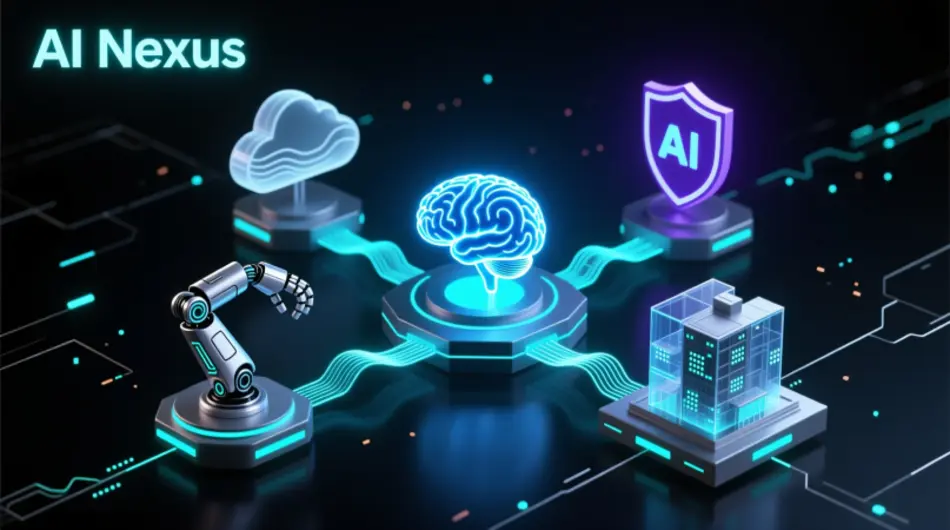
With the right mindset, the next set of secrets involves deploying technologies not for their own sake, but as intelligent solutions to core business challenges.
9. Strategic Cloud Adoption
The cloud is the backbone of modern scalability. The secret is moving beyond a simple “lift and shift” to a strategic multi-cloud or cloud-native approach. This allows you to select best-in-class services from different providers, optimize costs, and gain the flexibility to integrate new technologies swiftly, supporting everything from remote work to demand spikes.
10. AI & Machine Learning (ML)
AI/ML allows systems to learn from data and make predictions. The transformational secret lies in specific, high-value applications: hyper-personalization (tailoring experiences to individual users) and moving from reactive to proactive operations. It turns data into actionable intelligence.
11. Process Automation & Hyperautomation
Start by using software to handle repetitive, rule-based tasks like data entry (Robotic Process Automation). The advanced secret is hyperautomation—combining RPA with AI to automate entire complex business processes. This moves automation from a cost-saving tactic to a strategic driver of efficiency and accuracy.
12. IoT Integration
The Internet of Things connects physical objects—sensors, machines, vehicles—to the internet. This secret unlocks a stream of real-time operational data, allowing you to monitor and optimize the physical world, from supply chain logistics to factory floor efficiency.
13. Digital Twin Technology
A digital twin is a dynamic virtual replica of a physical asset or process. Its power is the ability to simulate, test, and optimize in a risk-free digital environment. You can stress-test a factory line or a building’s energy efficiency virtually before making costly real-world changes.
14. Cybersecurity First
In a digital-first business, security is non-negotiable. This principle means baking robust measures—like encryption and zero-trust architectures—into the design of every system. Protecting digital assets is the bedrock of operational continuity and brand trust.
15. Blockchain Applications
Beyond cryptocurrency, blockchain offers a decentralized, tamper-proof ledger. Its secret strengths are enhanced transparency and security, ideal for applications like supply chain provenance (tracking a product from origin to shelf) and secure, smart contracts.
16. Big Data Utilization
Big data refers to extremely large, complex datasets. The secret is using advanced analytics to uncover hidden patterns and trends within this data, leading to more informed strategic decisions and the potential for entirely new, data-driven business models.
17. API-First Strategy
An Application Programming Interface (API) is how software applications communicate. An “API-first” approach means designing systems with connectivity in mind from the start. This ensures interoperability, allowing you to easily connect internal systems and integrate with external partners, creating a flexible and powerful digital ecosystem.
18. Sustainable Tech
This involves adopting technologies that support environmental and social goals. Examples include optimizing data center energy use (green cloud computing) and using AI for efficient logistics to reduce carbon footprint. It future-proofs your business and builds trust with increasingly conscious consumers and investors.
Part 3: The Engine Room: Optimizing Processes and Experiences
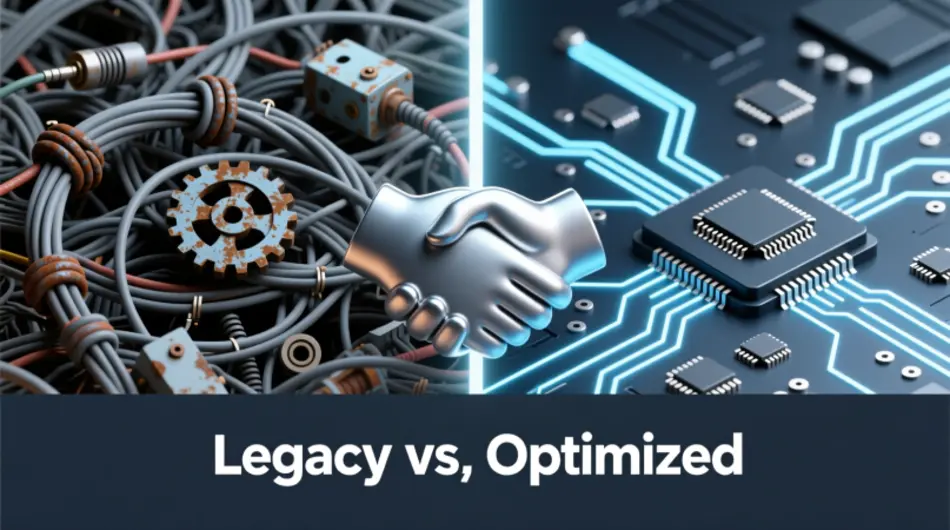
Transformation must reach into the core of how work gets done and how customers interact with your brand, optimizing every touchpoint and partnership.
19. Legacy System Modernization
Outdated legacy systems are often slow and incompatible. Modernization—through updating, replacing, or using APIs to integrate them—is the secret to unlocking efficiency and enabling compatibility with modern digital tools, ensuring your entire tech stack can move forward.
20. Omnichannel Experience
Customers interact across websites, apps, social media, and stores. The secret is to ensure these channels are seamlessly integrated. A customer should be able to start an inquiry on chat and continue it via phone without repetition, creating a unified and frictionless brand experience.
21. Mobile-First Strategy
With most digital interactions happening on phones, this strategy dictates designing for the mobile experience first. It prioritizes speed, simplicity, and touch-friendly interfaces for the primary device of the modern user, ensuring accessibility and engagement.
22. Personalization
Moving beyond basic segmentation, personalization uses data and AI to deliver tailored content, offers, and solutions to individual customers. This secret dramatically increases engagement and loyalty by making each customer feel uniquely understood and valued.
23. Predictive Maintenance
Using IoT sensor data and analytics, this approach predicts when a machine is likely to fail before it happens. This allows maintenance to be scheduled proactively, preventing costly unplanned downtime—a game-changer for manufacturing, logistics, and any asset-heavy industry.
24. Ecosystem Partnerships
No company can excel at everything. The secret is to strategically collaborate with external tech partners or startups to enhance your capabilities. This allows you to integrate best-in-class solutions faster than you could build them, extending your innovation capacity.
25. Social Media Engagement
Social platforms are vital for direct customer interaction, brand building, and gathering rich insights. The secret is active listening and engagement, using these channels not just for broadcasting but for conversation and as a real-time feedback loop on market sentiment.
Part 4: The Human Core: Cultivating Growth and Measuring Success

The most advanced technology will fail if your people resist it. The ultimate secret is that transformation is primarily a human change effort, supported by technology.
26. Change Management
This is the formal discipline of guiding people through organizational change. For digital transformation, it means proactively addressing employee fears, communicating the “why” clearly, and providing support. Neglecting this is the #1 reason technology implementations fail.
27. Employee Training & Upskilling
Digital tools are only as good as the people using them. Continuous investment in training ensures your team has the skills and confidence to leverage new technologies. This turns your workforce from passive users into active innovators and reduces resistance.
28. Digital KPIs & Metrics
You can’t manage what you don’t measure. Defining clear Key Performance Indicators—like digital adoption rate, customer effort score, or feature usage—is secret to objectively measuring the success of your transformation efforts and guiding rational future investment.
29. Collaborative Tools
Platforms like Microsoft Teams or Miro facilitate seamless communication, especially for hybrid teams. The secret is that they break down silos, speed up project cycles, and create a central hub for knowledge sharing, directly boosting productivity and cultural cohesion.
30. Continuous Improvement
Digital transformation is not a one-time project with an end date; it’s an ongoing cycle. This final secret instills the mindset and process of constantly evaluating results, learning from trends, and iterating. It ensures your organization never stops evolving and adapting.
Conclusion: Your Integrated Journey Starts Now
Digital transformation in 2025 is a holistic endeavor. The 30 secrets explored here are not a random checklist but interconnected components of a successful whole. A customer-centric mindset (Part 1) informs the choice of intelligent technologies (Part 2), which are implemented through optimized processes (Part 3), all sustained by a skilled and supported workforce (Part 4).
Start your journey by conducting an honest assessment against these secrets. Where is your strongest foundation? Where is your most critical gap? Begin with a pilot that addresses a clear customer pain point, supports your team through the change, and measures results diligently. Remember, the goal is not perfection but persistent, informed evolution.
The future belongs to organizations that can blend technological sophistication with human-centric wisdom. Use these integrated secrets as your compass to navigate the ongoing journey of transformation.