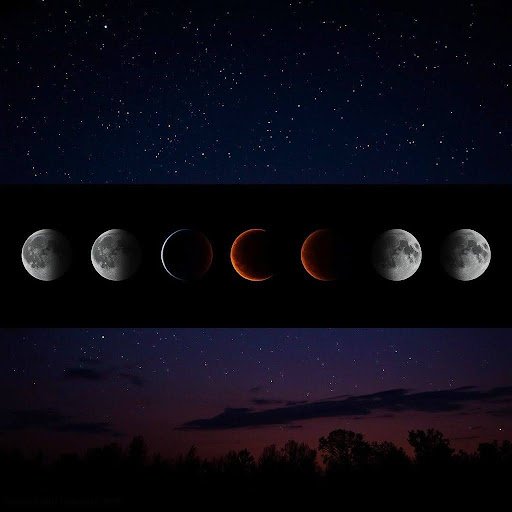
If you’ve ever missed a sky event because of confusing times or cloud cover, you know the frustration. You wait all year, plan your evening, and then either miss it or the weather ruins it. The solution is simple: know the exact date, time, and visibility for the US ahead of time. This guide breaks it down completely, so you won’t miss a second of the 2026 lunar eclipse.
The lunar eclipse on March 3–4, 2026, is one of the most anticipated events of the year, and it will be visible across most of the continental United States. From peak timing in New York to the best viewing spots in California, we’ve got all the info you need.
Quick Answer For US Viewers
- Date: March 3–4, 2026
- Time: Partial eclipse begins 11 PM ET / Totality 12:30 AM ET / Ends 1:50 AM ET
- Where Visible: Most of the continental US, weather permitting
- Duration of Totality: About 60–75 minutes
Set two phone reminders: one 30 minutes before totality, and one 5 minutes before the peak. You’ll be ready to catch the Moon as it turns deep red during totality, aka the Blood Moon 2026.
When Is The Next Lunar Eclipse In The USA
The next total lunar eclipse in the US will occur on March 3–4, 2026. Because the country spans multiple time zones, exact local times differ:
| Phase | Eastern Time | Central Time | Mountain Time | Pacific Time |
| Partial Begins | 11:00 PM | 10:00 PM | 9:00 PM | 8:00 PM |
| Totality Begins | 12:30 AM | 11:30 PM | 10:30 PM | 9:30 PM |
| Maximum Eclipse | 1:10 AM | 12:10 AM | 11:10 PM | 10:10 PM |
| Totality Ends | 1:50 AM | 12:50 AM | 11:50 PM | 10:50 PM |
Totality lasts roughly one hour, giving plenty of time to enjoy the show.
What Time Is The Lunar Eclipse In Major US Cities
| City | Peak Totality |
| New York City | 1:10 AM ET |
| Chicago | 12:10 AM CT |
| Dallas | 12:10 AM CT |
| Denver | 11:10 PM MT |
| Los Angeles | 10:10 PM PT |
| Phoenix | 10:10 PM PT |
Alaska and Hawaii will see the eclipse slightly earlier in the evening, depending on horizon visibility.
Will The Lunar Eclipse Be Visible In My State
Most of the continental US will have full or partial visibility. States with best viewing chances include:
- California
- Texas
- Arizona
- Florida
- Nevada
- Georgia
- North Carolina
- New Mexico
Northern states such as Michigan, Minnesota, and Wisconsin will also catch most of the total phase if skies are clear. Cloud cover is the main factor that could block visibility.
Why The Moon Turns Red During The Eclipse
This total lunar eclipse will produce the Blood Moon 2026 effect. The red color happens because Earth blocks direct sunlight, and the atmosphere bends and filters light so only red wavelengths reach the Moon.
It’s like every sunset on Earth is projected at once onto the Moon. During totality, the Moon glows a deep red or copper color that looks amazing to the naked eye.
Where To Look In The Sky
You don’t need any fancy gear to enjoy this lunar eclipse. The Moon will be high in the sky for most viewers in the US.
Tips for optimal viewing:
- Find a dark, open space away from city lights
- Avoid tall buildings or trees
- Bring a blanket or chair for comfort
- Use binoculars or a telescope if you want extra detail
Even if you’re in a city, the Moon will be clearly visible with the red hue during totality.
Do You Need Special Glasses Or Equipment
Unlike a solar eclipse, no special glasses are needed. The lunar eclipse is completely safe for your eyes.
Optional ways to enhance your experience:
- Binoculars to make the red tones pop
- Small telescope to see shadow details
- Tripod for stable smartphone photos
- DSLR camera for high-quality shots
You don’t need expensive gear. The naked eye is enough to enjoy the show.
How Long Will The Lunar Eclipse Last
The entire event, from the beginning of the partial eclipse to the end, will last several hours. Totality, when the Moon is fully in Earth’s shadow, will last about 60–75 minutes.
Duration summary:
- Partial eclipse starts and slowly darkens the Moon
- Totality lasts roughly one hour
- Partial eclipse returns before ending
This gives plenty of time to observe and photograph the lunar eclipse without feeling rushed.
Weather Planning Tips For US Viewers
March weather varies across the US. To improve your chances:
- Check your local weather forecast three days before the eclipse
- Track cloud coverage on apps the day of the event
- Consider driving 30–60 minutes to a nearby clear sky if needed
- Have a backup live stream option from NASA or local observatories
Southwestern states usually have the best odds of clear skies in early March.
How Often Do Total Lunar Eclipses Happen
A total lunar eclipse occurs somewhere on Earth about every two to three years, but wide visibility in the US is rarer. The March 2026 eclipse is a special event because it can be seen across the continental United States at convenient nighttime hours.
Here’s a quick look at future US-visible total lunar eclipses:
| Year | Date | Visibility |
| 2026 | March 3–4 | Continental US |
| 2028 | January 12 | East & Midwest US |
| 2029 | December 31 | West & Central US |
| 2030 | June 26 | Limited US |
Common Questions People Ask About The Lunar Eclipse
Is It Safe To Watch
Yes. Totally safe for your eyes.
Do I Need To Wake Up Early
Eastern US viewers will need to stay up past midnight. West Coast viewers can enjoy an earlier evening show.
Will It Be Visible In Cities
Yes. City lights won’t block the view. Dark skies just make the Moon more vivid.
What If It Is Cloudy
Clouds can block visibility. Check forecasts and be ready to travel a short distance if possible. Streaming options are available online.
Simple Checklist So You Don’t Miss It
Before March 3, 2026:
- Confirm your local time zone timing
- Set two phone reminders: 30 minutes and 5 minutes before peak
- Pick a clear, open spot for viewing
- Check the weather
- Charge your phone or camera
Preparation makes the difference between missing the event and enjoying every minute.
Final Thoughts
Moments like this are rare. When the Moon gradually turns red during the total phase, it’s a shared experience across the US. Families, friends, and even strangers pause to look up in awe.
Now that you know the exact date, local times for your city, duration, visibility, and how to prepare, you can enjoy the next lunar eclipse 2026 fully. Mark your calendar, set reminders, and when that red Moon appears, you will be ready.
For More Info Visit:- techtribemag.com